A different class of simulator.
Not a faster FEA solver and not a game engine. Physics simulation is the product.
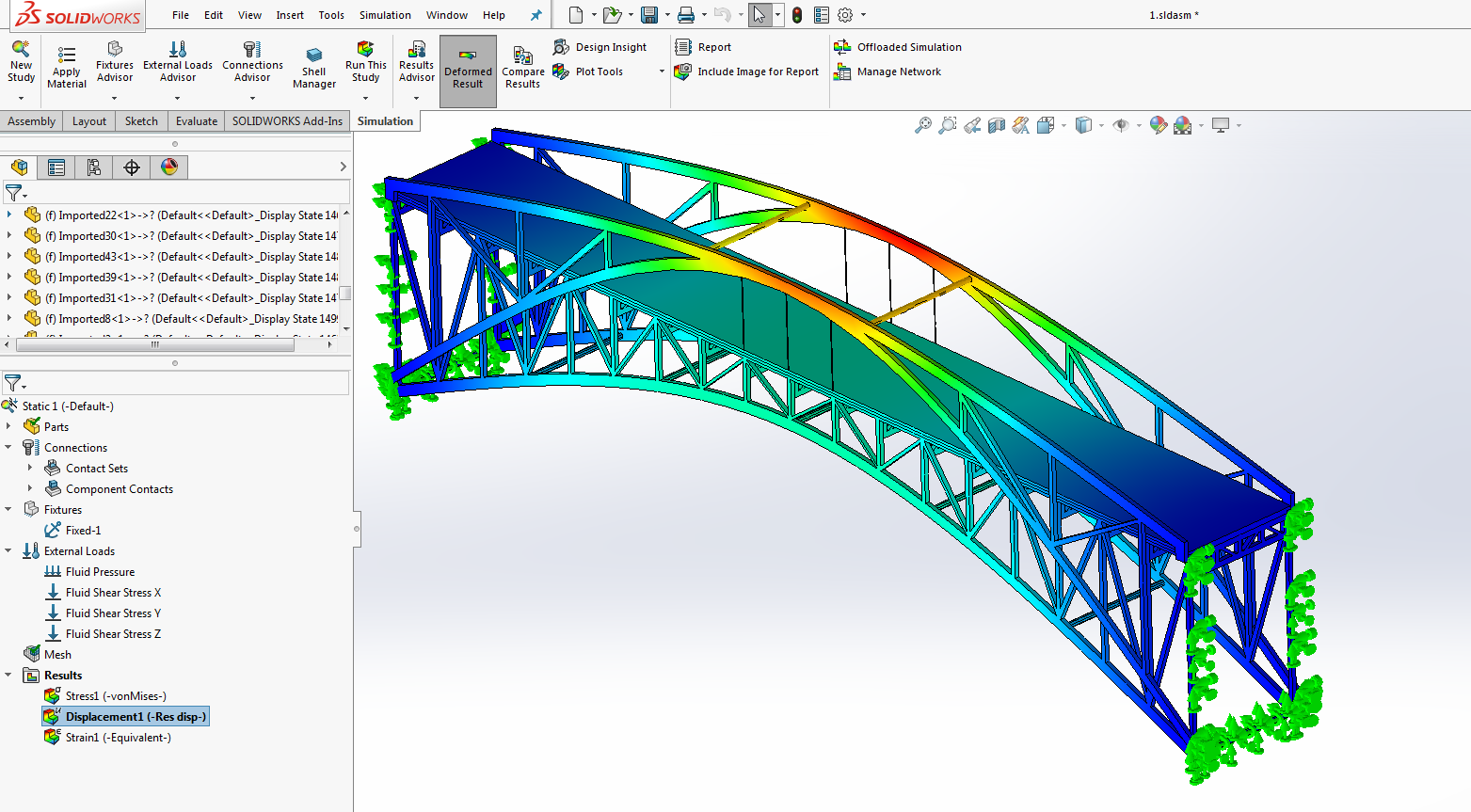
SolidWorks · AutoCAD
Rigid-body assumptions after model import. Implicit solvers return a single result per load case; load cases are not visually defined.
Soft-body, node-level. The interior is recomputed after each collision.
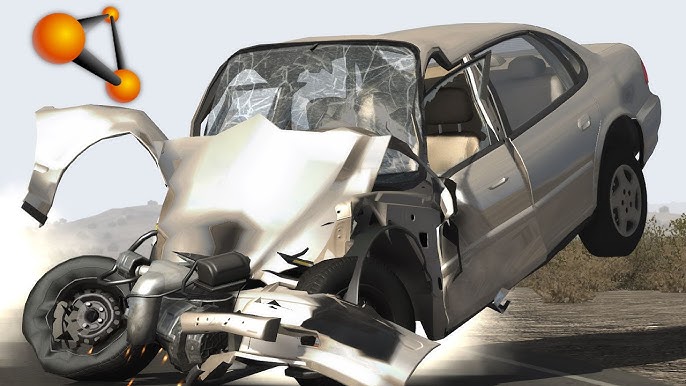
BeamNG
Node structures are authored per vehicle and tuned until the crash looks right. Stiffness values are chosen against a visual target, and no run leaves a record to validate.
Mathematical accuracy above visual appeal. Every run replayable as evidence.
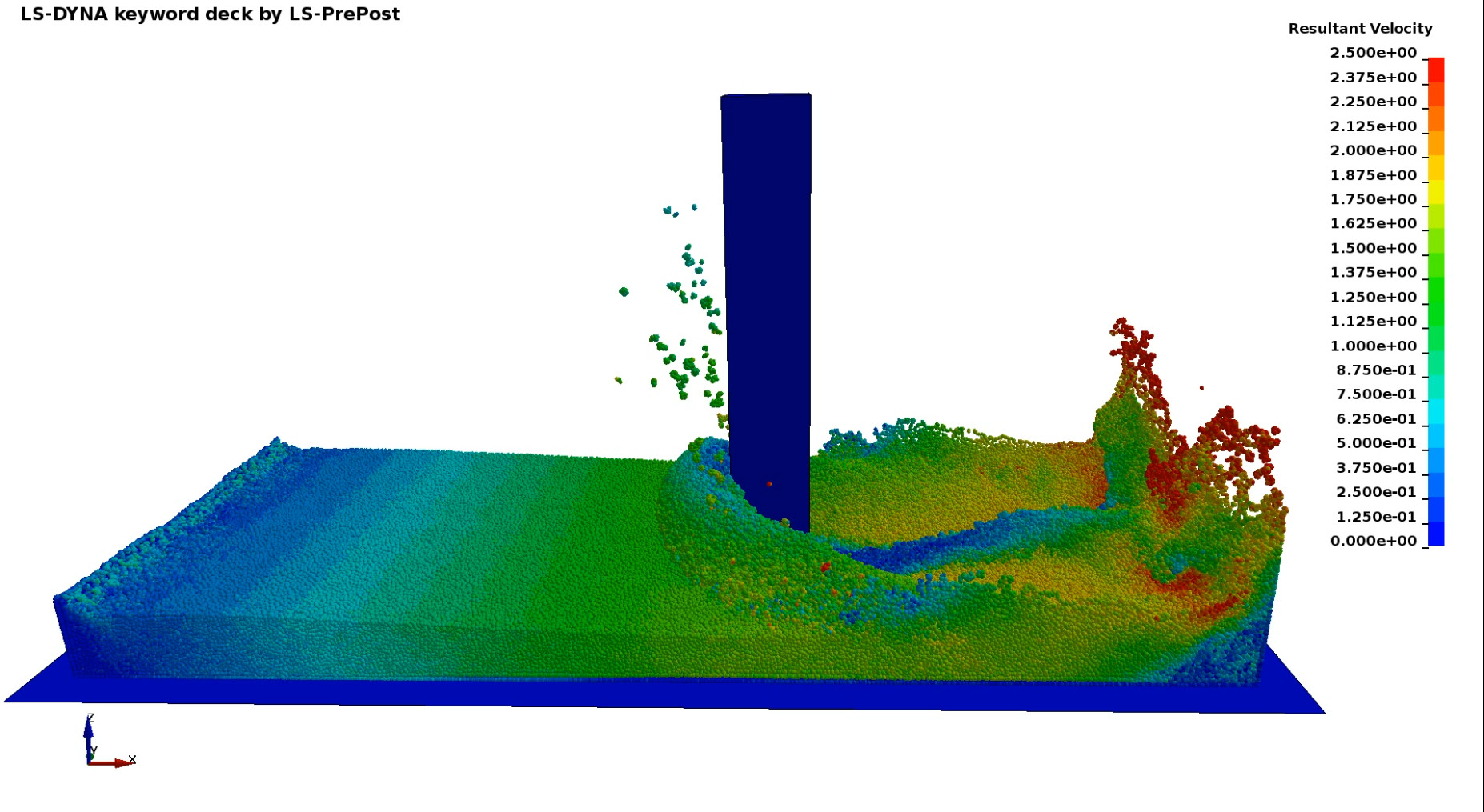
LS-DYNA · Abaqus/Explicit
Explicit solvers step through impact and update the interior as they go. Fracture arrives through the mesh, elements erode at failure threshold, and the crack follows boundaries an analyst drew before the run.
Fracture resolves through bond weighing between nodes. Nothing predetermines where the crack goes.
Third-party images shown for comparison. All marks and images belong to their respective owners. No affiliation or endorsement implied.
Thirty thousand analysts.
Three million engineers.
Explicit dynamics is a $1.5 to $2.0 billion market served by roughly thirty thousand specialist seats at $58,000 each. It has stayed that size for a decade because running a solver requires an expert.
Customers of the CAD market today — not Mycelium customers or partners.
The value isn't just in the hours, it's in the projects completed.
Traditional structural validation is a relay race across a dozen specialists. Mycelium fuses simulation, failure tracking, and validation into a single run, allowing a team of engineers to complete 3 projects in the time it previously took them to complete 1.
12 → 4 team compression
Handoffs between teams
Total annual design cost
The 40% time-savings on FEA review is the floor, not the ceiling.